The Splinter Fleet
The Splinter Fleet
The Splinter Fleet
Excerpt from Decks Awash, 1985.
During the Second World War, Newfoundland began to experience a shortage of coastal ships and in 1942 the Commission of Government decided to build 10 new vessels using local materials. Clarenville was chosen because of its proximity to the railway and because many men in the area had wooden boatbuilding experience.
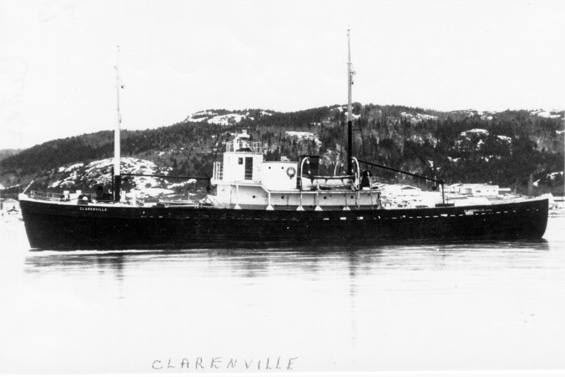
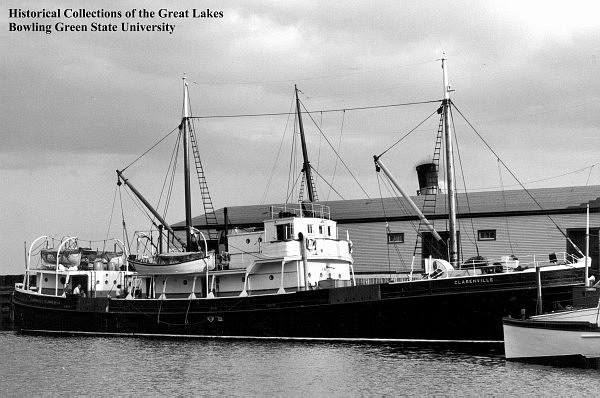
Halifax ships’ architect William Roue produced a design for a 322-ton capacity wooden, single-screw vessel 135 ft. long with a 28ft. beam, powered by a 600 hp diesel. At a time when most ships were built of steel, the use of wood was unusual and led to the ships’ being called the “Splinter Fleet” even before the first vessel was launched.
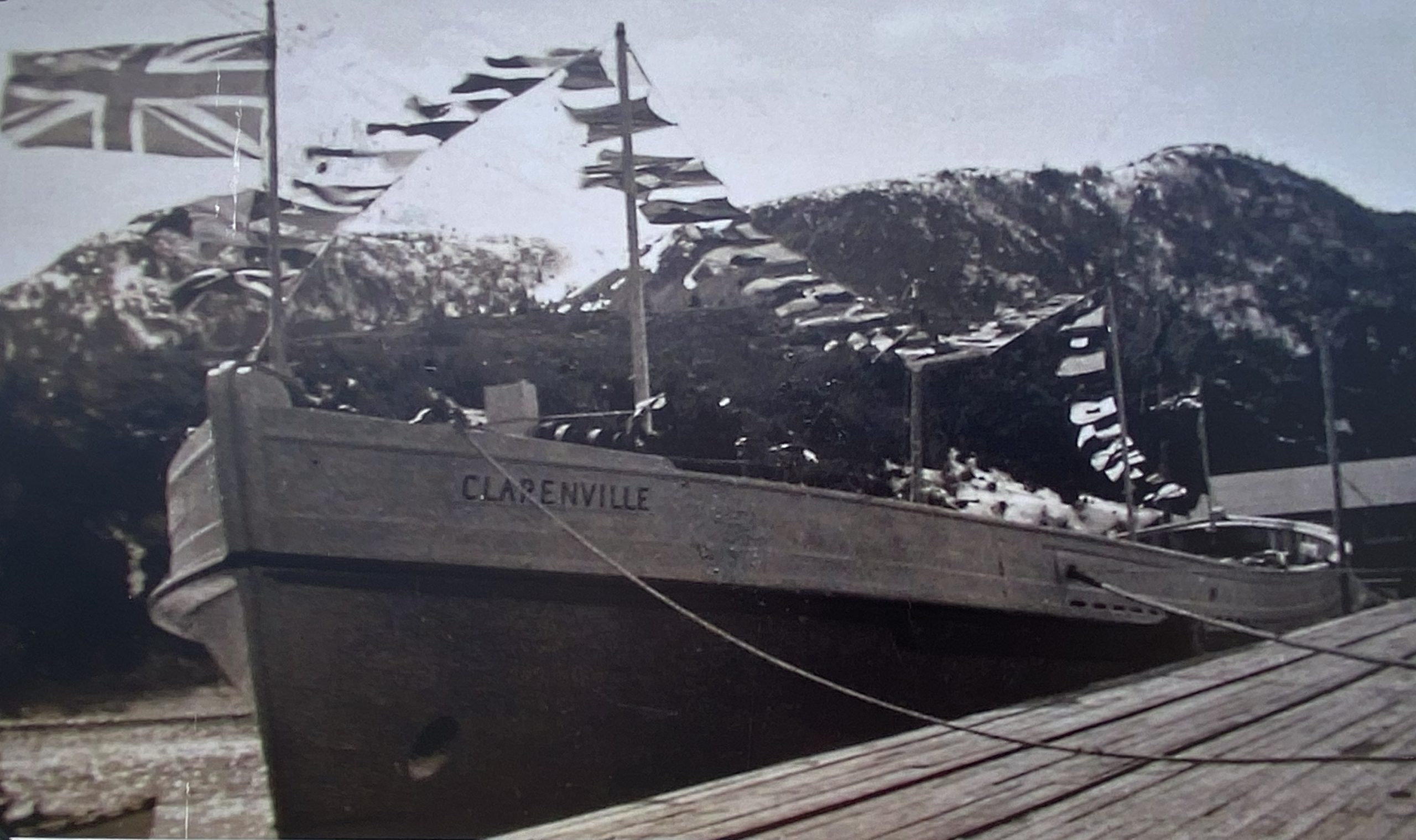
Ten vessels were completed between 1944 and 1947, Clarenville, Trepassey, Glenwood, Placentia, Twillingate, Ferryland, Codroy, Burin, Bonne Bay, and Exploits. The M.V. CIarenville was the first launched on 12 July 1944 , and was immediately commissioned by the Newfoundland Railway to carry freight and passengers on the northwest coast. A year later she was rammed by the S.S. Kelowna Park in the Bay of Islands and almost lost.
The Splinter Fleet carried fish to the Caribbean and returned with coal, molasses, rum and salt. The M. V. Trepassey went to London and was chartered by the Royal Navy as a supply ship to bases in Antarctica.
In 1949, the government sold the fleet. The M.V. Clarenville was sold to CN and used as a passenger / freight vessel. Later she was sold to S.W. Mifflin Ltd. of Catalina as a fish collector boat.
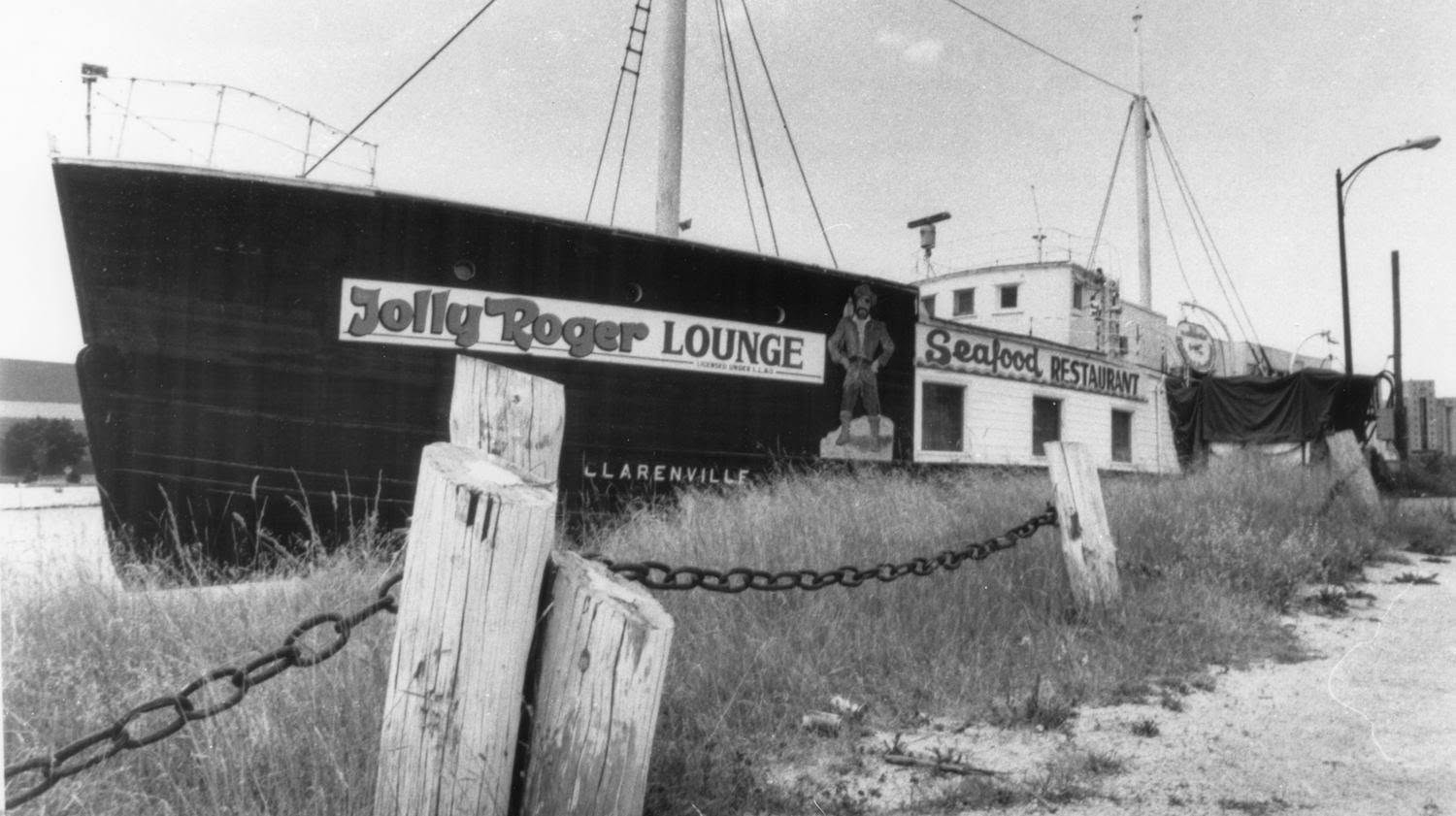
In 1976, Burry’s Fisheries of Glovertown acquired her and ultimately sold her in 1981 to Ontario businessman, Hank Buitendyk, who operated her as a floating restaurant moored at Owen Sound, Ontario.
In 1989, the Clarenville was all but destroyed by an arson fire. The ship ended up sinking to the bottom of the harbour. The masts could still be seen above the water level as a solemn testament to its 45 years. Workers attempted to raise the Clarenville intact both for evidence and to later be transported to a recreational dive site where it could be deliberately sunk, but the damage on the vessel was too extensive and it had to be raised piece by piece.
Photo: The first of the “Splinter Fleet,” the “Clarenville” being launched. (Photo from Provincial Archives)
Other photos: Owen Sound River District
The Clarenville in Owen Sound: https://www.youtube.com/watch?v=5F_teTVaPvw